Geneva Airport to Swiss Ski Resorts: Key Details Travelers Often Miss When Planning Their Transfer

Travel to Swiss Alps Guide for GVA Visitors

Geneva Airport is the main entry point for international visitors heading to Swiss ski resorts, but many travelers underestimate the logistics involved. Winter schedules, long-haul arrivals, luggage volume and the layout of mountain regions all influence how smoothly the first day unfolds.

This guide highlights the details that often catch travelers by surprise – the kind of practical factors that matter when planning transfers to resorts such as Grimentz, Champéry or the Aletsch Arena. The goal is simple, help you prepare your arrival in a way that avoids delays, unnecessary stress and wasted time.
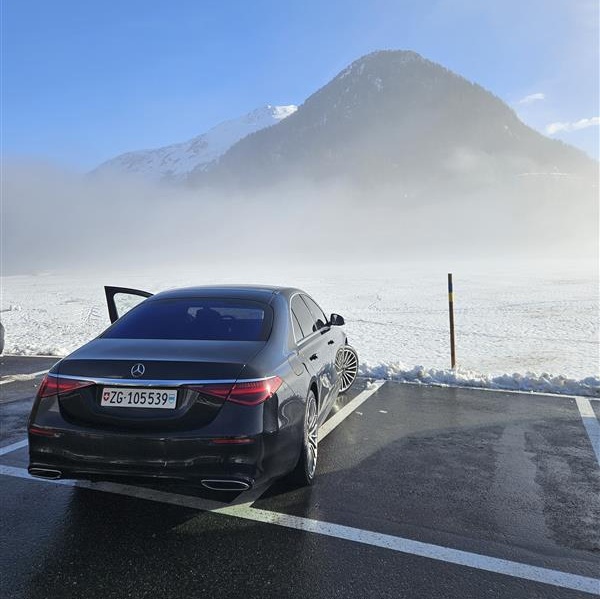
Timing at Geneva Airport Isn’t as Predictable as Many Travelers Assume

Long-haul flights, winter operations and busy weekend schedules make arrival timing at Geneva less straightforward than people expect. Even when a flight lands on time, several factors can affect how quickly you reach the arrivals hall and start your transfer to the resort.

1. Baggage Delivery Can Vary Widely

During winter weekends, the volume of ski equipment increases handling times. Bags and ski bags often arrive in separate waves and delays of 20–40 minutes are common on peak travel days. This is important to consider when planning pickup times or onward journeys.

2. Passport Control Peaks Are Hard to Predict

Early-morning and late-afternoon flights create congestion points, especially for non-Schengen arrivals. Queues can move quickly one day and slowly the next depending on staffing and flight clusters.

3. Weather-Related Adjustments Are Part of Winter Travel

Snowfall or strong winds may slow ground operations. Flights can be held at stands, moved to remote positions or unloaded gradually. These adjustments affect exit-to-arrivals timing more than the flight duration itself.

4. Weekend Patterns Slow Down the Entire Airport Cycle

Friday evening, Saturday, and Sunday are the busiest travel days for ski arrivals. Everything takes longer: deboarding, baggage, transport between gates, and terminal congestion. A tight connection from landing to a scheduled transfer often results in unnecessary pressure.

5. Why This Matters for Ski Travelers

Transfers to certain resorts such as Grimentz, Champéry, or the Aletsch Arena require close to three hours of road travel. When airport timing is underestimated, the entire travel plan becomes compressed, leading to late arrivals in the mountains or missed dinner or check-in windows.

Car-Free and Limited-Access Ski Resorts: Important Details to Know Before You Arrive

Some of Switzerland’s most attractive ski destinations cannot be reached directly by car. This is often surprising for first-time visitors, especially those arriving with several bags, ski equipment or traveling as part of a family group.

1. Several Popular Resorts Are Vehicle-Free

Areas such as Riederalp, Bettmeralp, and Fiescheralp in the Aletsch Arena are completely car-free. The road ends in the valley, and travelers continue by cable car. This requires planning around the opening hours of the lifts and the distance from the parking or drop-off zone to the gondola entrance.

2. Door-to-Door Access Is Not Always Possible

Even in resorts where vehicles are allowed, steep or narrow chalet roads may be inaccessible during heavy snow. In such cases, travelers may need a short walk or hotel shuttle for the final segment. This can be unexpected for guests who assume every resort functions like a standard hotel district.

3. The Last Part of the Journey Takes Time

Cable car queues, luggage handling and coordination within the resort add minutes that are rarely accounted for when building an arrival-day schedule. A straightforward road transfer to the valley can still require extra planning once the road ends.

4. Late Arrivals Require Extra Attention

If you land in Geneva late in the evening, reaching a car-free resort may be constrained by gondola operating times. Missing the last lift can mean an overnight stay in the valley or reorganizing the next day’s travel.

5. Why This Matters for Your Transfer

Understanding these access rules helps set a realistic arrival plan. It also influences the ideal pickup time from Geneva, the choice of vehicle and how luggage is managed throughout the trip.

Why Distance Doesn’t Tell the Whole Story When Traveling to Swiss Ski Resorts

Many travelers plan their arrival based only on the number of kilometers between Geneva and their chosen resort. In Switzerland, this can be misleading. Mountain travel involves variables that don’t show up on a map or a basic GPS estimate.

1. Mountain Roads Add Significant Time

Once you leave the main motorways, the remaining distance often includes steep, narrow, or winding sections. For resorts such as Grimentz or areas near the Aletsch Arena, the final ascent can take longer than expected, even when traffic is light.

2. Winter Conditions Slow Everything Down

Snowfall, ice, or reduced visibility can lower driving speeds by necessity. These conditions affect the last 20–40 km of many routes, the exact portion where travelers expect to make up time but usually cannot.

3. Speed Restrictions Are Strictly Enforced

Switzerland enforces limits closely, particularly on mountain roads and in villages. This maintains safety but reduces the possibility of shortening travel times, unlike in some countries where drivers can make up minutes along the way.

4. Weekends and Holiday Weeks Create Bottlenecks

Peak ski periods bring congestion near resort access points. Even small delays, a slow-moving bus, a snowplow or increased traffic near lift stations can extend the final stretch of the journey.

5. Public Transport Multipliers

Train and bus connections amplify timing challenges:

  • A single missed connection can add 20–60 minutes.
  • Many routes require multiple changes.
  • Some valley buses run only twice per hour in winter evenings.

6. Why This Matters for Your Planning

A resort listed as “2 hours from Geneva” may take significantly longer depending on the day, weather and type of access. This is why many travelers opt for private transfers for locations such as Champéry or Grimentz – fewer variables and direct timing control.

Many of the challenges described above can be avoided with the right approach to transport.

Reliable Transfers From Geneva Airport to Swiss Ski Resorts

Private Mercedes vehicles, fixed pricing and licensed chauffeurs for direct travel to the mountains.

Where Public Transport Falls Short for Real Ski Schedules

Switzerland’s public transport system is efficient, but not all routes and schedules align well with winter travel patterns, especially for guests landing in Geneva and heading to the mountains the same day. The issue isn’t reliability, it’s timing, connections and how these factors fit with the realities of ski travel.

Late Arrivals Leave Few Options

Many international flights land in the evening. After 20:00, connections toward the Valais and remote ski regions become limited. Reaching resorts using trains and buses often requires long gaps between connections or isn’t possible until the next morning.

Multiple Connections Add Risk

Reaching resorts deep in the Valais often involves switching between several trains and, in some cases, a final bus or regional train. Missing a single connection can extend travel by an hour or more.

Managing Ski Equipment Across Platforms

Carrying large ski bags, board bags, and family luggage between platforms or bus bays is more demanding than many expect particularly during peak season, when stations are crowded and lifts or escalators are slow-moving.

Groups and Families Move at Different Speeds

Coordinating several people across platforms, especially with children or elderly travelers, takes time and reduces the buffer needed to catch each connection comfortably.

Reduced Evening Frequency

Even on major routes, the frequency of trains and buses decreases after a certain hour. If your arrival is delayed, the next available connection may involve extended waiting times.

Why Private Transfers Solve These Gaps

Road travel offers consistent timing regardless of how many segments the journey would require on public transport. Private transfers eliminate the need to track timetables, carry equipment between trains or manage tight connections.

Route Public Transport (Typical) Private Transfer (Typical)
Geneva → Grimentz 3h45–4h20, 2–3 changes ~2h45 direct
Geneva → Champéry 2h30–3h10, 2 changes ~1h40 direct
Geneva → Aletsch Arena (Mörel / Betten / Fiesch) 3h20–4h00, 3 segments ~2h45 direct

Why Choosing the Right Vehicle Matters for Winter Transfers From Geneva

Selecting a vehicle for a winter transfer is not just a question of seats. The distance from Geneva to many Swiss ski resorts, combined with the amount of luggage people bring for a ski holiday, creates specific requirements that travelers often overlook.

Luggage and Ski Gear Take More Space Than Expected

A family or small group can easily fill a vehicle once skis, boots and winter bags are included. Two adults with skis may still fit in a sedan, but a group of four with equipment often needs a larger van to avoid cramped conditions or unsafe stacking.

Long-Distance Transfers Benefit From Additional Cabin Space

Routes to some resorts can take nearly three hours. Extra legroom and space to move around make a noticeable difference on long winter drives, especially after a long flight.

Groups Are Often Better Served by One Larger Vehicle

Splitting into two smaller cars may seem convenient, but coordinating multiple vehicles adds complexity. A single V-Class or Mercedes Sprinter with trailer keeps everyone together and simplifies timing, luggage handling and communication.

Winter Roads Demand Stability

Alpine routes can include snowfall, ice or steep gradients. Vehicles equipped with winter tires, all-wheel drive and a heavier chassis provide more stable handling in these conditions. This is particularly relevant for late-evening or early-morning arrivals when temperatures drop quickly.

Strollers, Food Bags and Additional Items Add Up

Families and groups often travel with far more than they initially plan for. Strollers, cabin bags, snacks for children and shopping from the airport all require space that is easy to underestimate.

Practical Recommendations for Planning Your Arrival Through Geneva Airport

Good planning removes guesswork from the first day of a ski holiday. These guidelines help set realistic expectations and make the transition from Geneva to the resort smoother, especially during winter.

Allow a Buffer Between Landing and Pickup

Delays at baggage claim or passport control are common in winter. A modest buffer prevents unnecessary rush and avoids missing the scheduled pickup time.

Share Accurate Passenger and Luggage Details

Providing the number of suitcases, ski bags and passengers ensures the correct vehicle is assigned. This avoids tight fits, slow loading or last-minute changes after arrival.

Consider Arrival Time When Choosing a Resort

Car-free areas such as the Aletsch Arena require reaching the valley stations before the last cable cars of the evening. Early or mid-day arrivals offer the most flexibility.

Plan Around Weekend Traffic

Friday evening through Sunday afternoon are the busiest periods for both the airport and the main motorways. Transfers during these times require more conservative timing.

Keep Communication Open on Travel Day

Providing a working phone number helps your chauffeur or coordination team stay in touch in case of schedule changes, gate shifts or delays.

Book Return Travel Early

Return transfers can be arranged at the same time as the arrival journey. Booking both legs provides clearer structure for planning departure day, especially if the resort requires cable car access to reach the valley.

Prepare for Possible Weather Influence

Snowfall, wind and temperature swings affect road conditions in the mountains. Leaving Geneva earlier in the day reduces the risk of encountering unexpected delays in the final segment.

Conclusion

Planning a ski trip through Geneva Airport involves more variables than most travelers expect – flight timing, baggage handling, resort access, winter conditions and the distance to remote areas all shape how the first day unfolds. Once these factors are understood, the arrival becomes far more predictable and the transfer to the mountains moves smoothly.

For guests heading to destinations with longer routes, preparation plays a key role in avoiding delays. Resorts closer to Geneva, benefit just as much from clear timing and the right vehicle choice, especially during peak weekends.

A well-planned transfer sets the tone for the entire holiday. Taking a few practical steps before arrival and choosing the transport option that aligns with your schedule and luggage needs ensures that the transition from airport to resort is handled efficiently from start to finish.

FAQ

Yes. Ski bags and board bags are often delivered separately from regular luggage, especially on weekends. Allowing additional time at baggage claim prevents delays when meeting your driver or starting a public transport connection.

Winter weekends fill quickly, especially for long-distance transfers. Booking at least several days in advance helps secure the vehicle size you need and avoids last-minute availability issues.

It depends on the resort. Some destinations require reaching cable car stations before their closing times. For regions such as the Aletsch Arena, late arrivals may reduce options for continuing beyond the valley. Checking lift schedules in advance is recommended.

Early arrivals may result in a short wait if the driver is en route, while delayed flights affect how feasible it is to reach certain resorts before nightfall. This is especially important for destinations that rely on cable cars to reach the village.

Many travelers prefer buying essentials at the airport or in Geneva’s surrounding area. Remote resorts may have limited evening shopping hours, especially outside peak weeks.

Yes. Heavy snowfall or strong winds can affect roads at higher elevations or temporarily halt lifts in car-free areas. Planning for a slightly earlier departure from Geneva helps mitigate these risks.

The most common issue is scheduling pickup or onward transport too soon after landing. Winter baggage delays, queues, and flight timing shifts frequently extend the time it takes to exit the airport.

Do you want to travel in style? Request a price for your trip today!